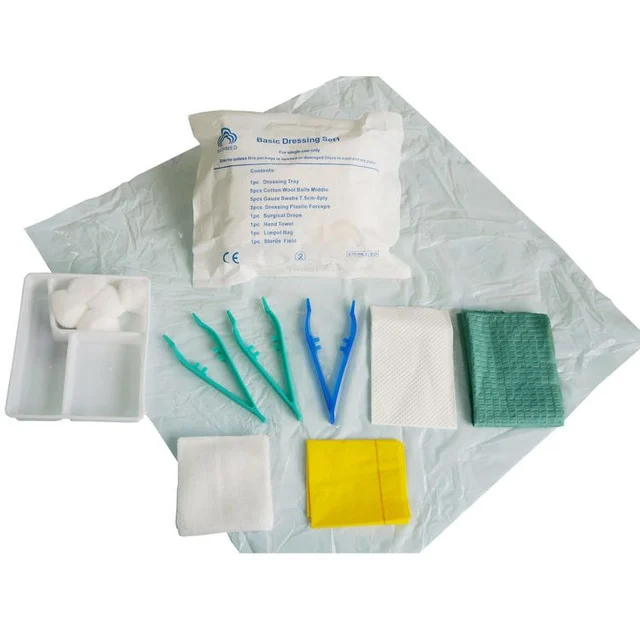
Dressing Kit
Dressing Packs - Dressing Pack Prices
Dressing kits can be classified based on their intended use, complexity, and the types of wounds they are designed to manage. Here’s an overview of the various classifications of dressing kits:…
MOQOn request
SterilisationEO / non-sterile
PackingBulk or private label
OriginTaizhou, Jiangsu
- ISO 13485 quality management system
- In-house EO sterilization and microbiology lab
- COA, MSDS and technical file with every shipment
Product overview
Dressing kits can be classified based on their intended use, complexity, and the types of wounds they are designed to manage. Here’s an overview of the various classifications of dressing kits:
1. By Purpose/Intended Use:
- Designed for minor injuries like cuts, scrapes, and abrasions.
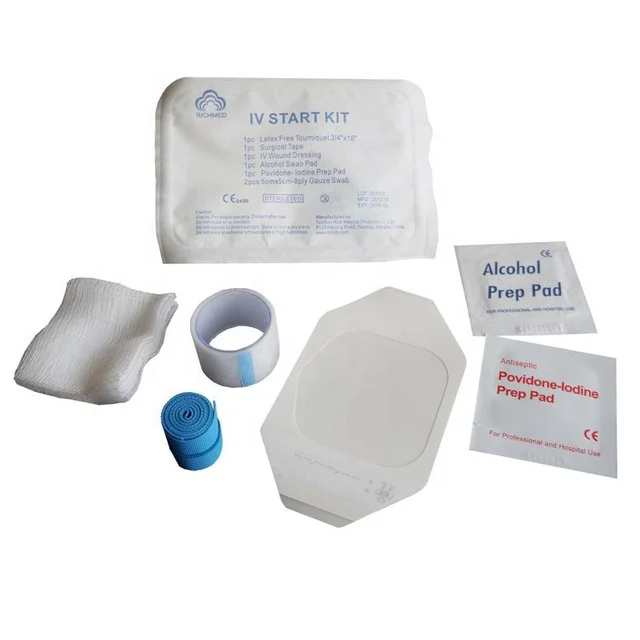
- Includes basic components such as sterile dressings, antiseptic wipes, and adhesive bandages.
- Suitable for more severe or complex wounds such as surgical wounds, burns, or chronic ulcers.
- Includes specialized dressings (e.g., hydrocolloid, alginate), irrigation solutions, and additional tools.
- Specifically tailored for treating burn injuries.
- Includes burn dressings, cooling gels, and burn-specific antiseptic solutions.
- Designed for post-surgical wound care.
- Includes large sterile dressings, antiseptic solutions, and instructions for post-op care.
- For immediate wound care in emergency situations.
- Includes a variety of dressings, antiseptics, and tools for initial wound management.
2. By Components and Complexity:
- Basic kits with essential items for simple wound care.
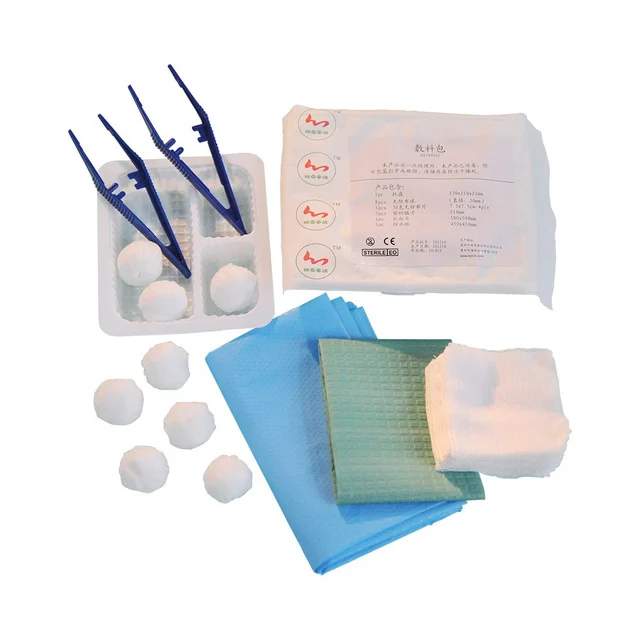
- Includes sterile gauze, antiseptic wipes, gloves, and adhesive bandages.
- More complex kits with a wider range of items.
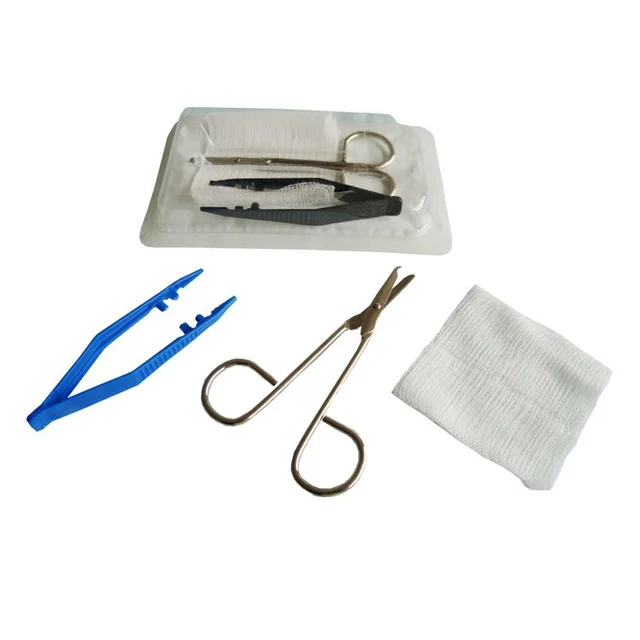
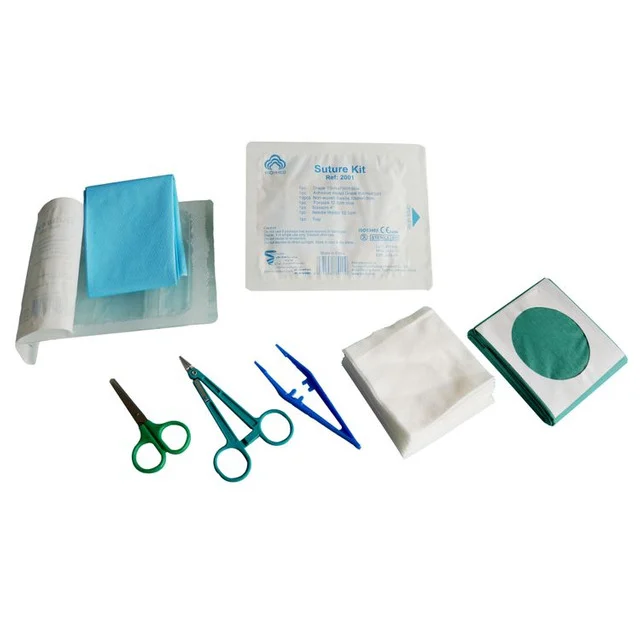
- Includes advanced dressings, irrigation solutions, scissors, forceps, and detailed instructions.
3. By Type of Wound:
- Designed for traumatic injuries such as deep cuts, lacerations, and puncture wounds.
- Includes large absorbent dressings, pressure bandages, and antiseptics.
- Intended for post-surgical wound care.
- Includes sterile dressings, antiseptic solutions, and tools for changing dressings.
- For long-term care of chronic wounds such as diabetic ulcers or pressure sores.
- Includes specialized dressings like hydrocolloid or alginate dressings, and skin protection barriers.
4. By Setting:
- Designed for use at home by patients or caregivers.
- Simple to use with clear instructions and basic components.
- Used by healthcare professionals in hospitals, clinics, and other medical facilities.
- More comprehensive and may include advanced wound care products.
- Compact and portable for use in emergencies or field settings.
- Includes essential items for immediate wound care.
5. Specialized Kits:
- Designed for use in military or remote settings.
- Durable, compact, and includes robust items suitable for field conditions.
- Tailored for treating wounds in children.
- Includes child-friendly components and smaller dressings.
Related
See the family