
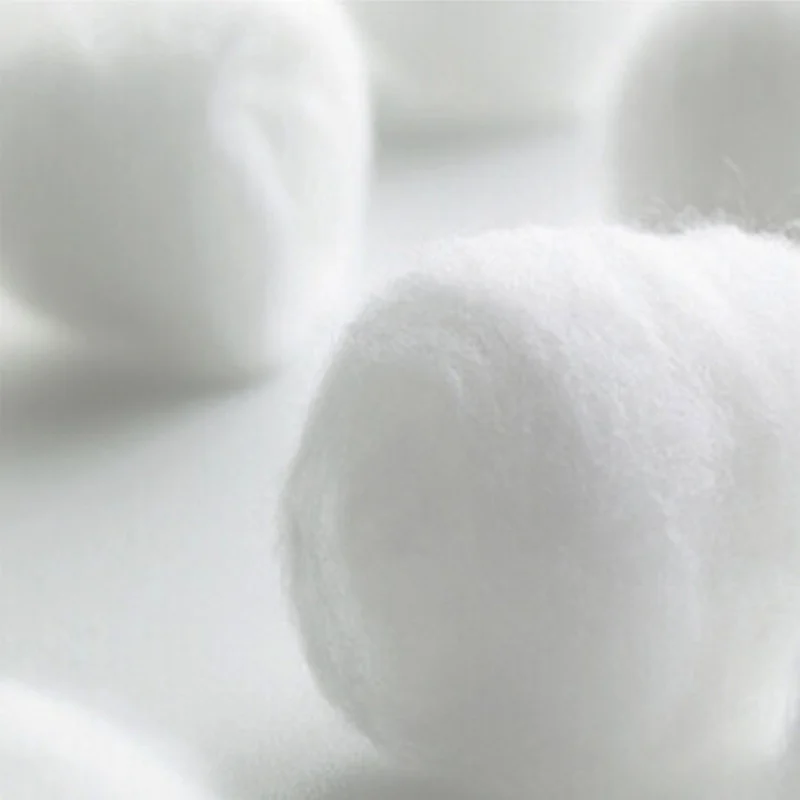
Have you ever wondered why a tiny sphere of fiber is essential for modern medicine? The term "cotton ball" refers to a sterile or non-sterile mass of soft, absorbent fibers used in healthcare. These indispensable medical cotton balls are staples in hospitals and first-aid kits. You will learn the specific standards that differentiate medical-grade versions from household alternatives.
Key Takeaways
● Medical Definition : A medical cotton ball is a mass of absorbent, 100% pure fibers used for wound care and fluid management in healthcare.
● Material Standards : High-quality medical cotton balls must be free from synthetic materials and seeds to prevent tissue irritation or infection.
● Sterility Requirements : Sterile versions are mandatory for surgical procedures and deep wound cleaning to ensure maximum patient safety.
● Clinical Versatility : Beyond simple cleaning, they are essential for hemostasis, applying antiseptics, and preparing injection sites.
● Sustainability Trends : Modern manufacturing is shifting toward organic cotton and sustainable water management to reduce the industry's environmental footprint.
Defining the "Medical Grade" Cotton Ball
In the healthcare sector, the composition and purity of a cotton ball are paramount. Medical-grade standards prioritize patient safety and functional reliability in clinical settings.
Composition and Material Purity
High-quality medical cotton balls consist of 100% pure cotton. This material is naturally soft, highly absorbent, and free from synthetic additives. Using pure fibers ensures that the product remains gentle on compromised skin while maximizing its ability to hold liquids.
Distinguishing Medical vs. Cosmetic Cotton Balls
The primary difference lies in fiber integrity and chemical purity. Medical versions are designed to minimize linting and fiber shedding, which could contaminate a wound. Unlike some cosmetic variants, they do not contain synthetic binders that might irritate sensitive or internal tissues.
Absorbency Requirements in Clinical Settings
Medical cotton balls utilize natural capillary action to manage fluids effectively. During surgeries or biopsies, they must absorb blood and other fluids rapidly. This high retention capacity allows practitioners to maintain a clear view of the treatment area.
Regulatory Standards for Patient Safety
Products used in hospitals must meet stringent hygiene and quality standards. These regulations ensure that the cotton is free from impurities like seeds or dirt that could introduce bacteria into a sterile field.
Sterile vs. Non-Sterile Classifications
Clinicians choose between pre-packaged sterile cotton balls and bulk non-sterile options based on the task. Sterile versions are essential for procedures involving broken skin to prevent infections. Non-sterile balls are typically reserved for cleaning external surfaces or applying topicals to intact skin.
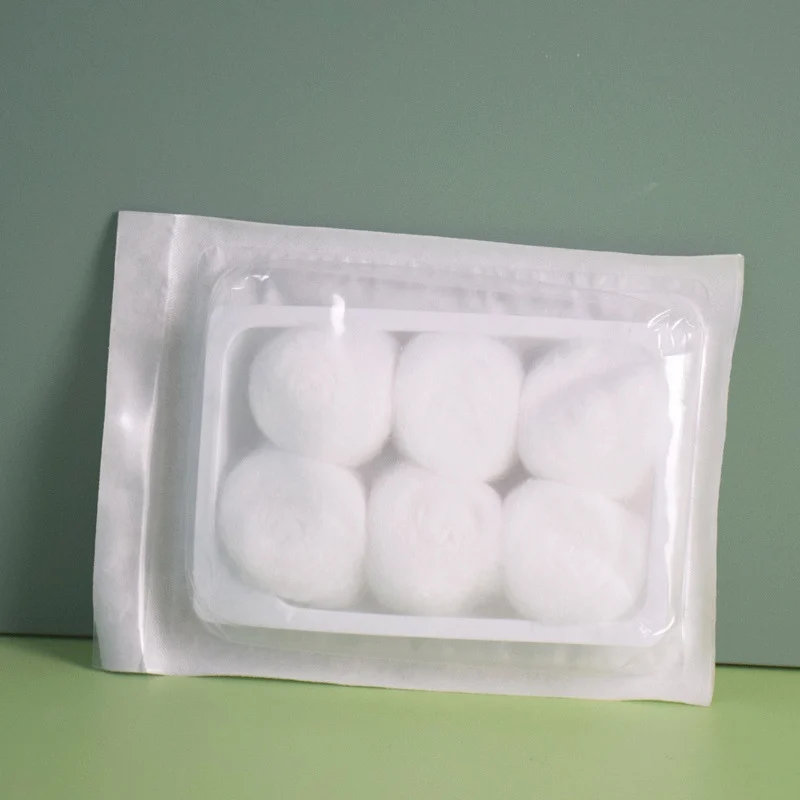
Note: Sterile cotton balls are often pre-packaged to ensure they remain free from contaminants until the exact moment of use.
Primary Clinical Uses of the Cotton Ball
Medical cotton balls serve multiple roles in patient care, acting as a bridge between the clinician's tools and the patient's skin.
Wound Cleansing and Debridement
They are indispensable for cleaning wounds. By gently wiping the affected area, medical staff can remove debris and prep the skin for the healing process.
Application of Topicals and Antiseptics
Clinicians use them as a vehicle to apply various liquids. Common examples include:
● Antiseptics : Applying alcohol or iodine to disinfect skin.
● Medications : Spreading ointments and creams on sensitive areas.
Hemostasis and Fluid Absorption
Managing minor bleeding is a core function. After an injection or during a minor biopsy, a cotton ball provides the necessary pressure and absorbency to achieve hemostasis.
Injection Site Preparation
Before needle entry, the standard protocol involves disinfecting the skin. A cotton ball soaked in an antiseptic agent ensures the site is clean, significantly reducing the risk of localized infection.
Clinical Application
Purpose
Material Requirement
Wound Care
Debris removal and cleaning
Sterile, 100% Cotton
Disinfection
Applying alcohol/iodine
High Absorbency
Surgery
Absorbing blood/fluids
Sterile, Pure Fiber
The Evolution of Cotton Balls in Medical History
The history of the cotton ball is tied to the advancement of textile versatility and medical hygiene.
19th-Century Origins in Wound Care
Evidence of cotton cultivation dates back thousands of years, but its specific medical application emerged significantly in the 19th century. During this period, they were first recorded as tools for wound care and antiseptic application.
The Shift to Mass Production and Sterilization
As medical science advanced, the need for sterile and absorbent products grew. This demand led to the mass production of cotton balls, incorporating evolved sterilization and packaging techniques to ensure hygiene.
The Impact of the 20th-Century Disposable Movement
The 20th century saw a rise in disposable medical supplies. Cotton balls became a staple in first-aid kits and professional settings because they were inexpensive, effective, and easily discarded after use.
Manufacturing Standards for Medical Safety
The manufacturing process determines whether a cotton ball is fit for clinical use.
The Cleaning and Purification Process
It begins with harvesting raw cotton, followed by intensive cleaning. Manufacturers must remove seeds, dirt, and other impurities that could cause adverse reactions or introduce bacteria.
Carding Fibers for Structural Integrity
Once cleaned, the fibers undergo carding. This process aligns the fibers, ensuring the cotton ball maintains its round shape and structural integrity when saturated with liquid.
Professional Sterilization Techniques
To meet medical standards, many products are sterilized after they are shaped and packaged. This step is critical for ensuring they are safe for surgical and deep wound applications.
Note: The quality of the final product is directly dependent on using 100% pure cotton during the initial manufacturing steps.
Tip: When selecting supplies for large-scale medical facilities, prioritize manufacturers who use mechanical cleaning over chemical-heavy purification to maintain fiber strength.
Essential Benefits of Using Cotton Balls in Healthcare
Medical professionals rely on these products because they offer a unique combination of physical properties.
Superior Softness for Sensitive Tissue
Cotton is the preferred material for geriatric and neonatal skin care. Its natural softness allows for gentle cleaning without causing micro-abrasions on delicate tissue.
High Liquid-to-Weight Retention Ratio
A primary benefit is the high liquid-to-weight retention ratio. This efficiency means a single small cotton ball can absorb a significant amount of blood or exudate, making it highly functional in fast-paced medical environments.
Cost-Effectiveness in High-Volume Clinics
They are inexpensive and versatile. This makes them a popular choice for high-volume clinics where balancing high performance with low-cost disposable benefits is necessary for operational efficiency.
Selecting High-Quality Medical Cotton Products
Choosing the right supply is critical for patient safety and procedural success.
Identifying 100% Pure Cotton Labels
Procurement officers should always look for "100% pure cotton" labels. Synthetic blends often lack the necessary absorbency and may leave behind irritating residues.
Assessing Texture and Linting
High-quality products are designed to be low-linting. This prevents small fibers from becoming trapped in a wound, which can delay the healing process or lead to inflammation.
Evaluating Packaging Integrity
For sterile applications, the packaging must be airtight and durable. If the integrity of the package is compromised, the cotton ball can no longer be considered sterile for medical procedures.
Environmental and Sustainable Trends in Production
While beneficial, the environmental impact of cotton production is a growing concern for the industry.
The Rise of Organic Medical Cotton
Organic cotton is becoming more popular because it is grown without synthetic pesticides or fertilizers. This reduces soil degradation and minimizes chemical exposure for both the environment and the end-user.
Sustainable Water Management in Farming
Cotton is a water-intensive crop. To address this, many manufacturers are adopting sustainable practices to manage water usage and reduce the ecological footprint of production.
Biodegradability vs. Synthetic Alternatives
Natural cotton is biodegradable, offering a significant advantage over synthetic alternatives in medical waste management. Using pure cotton helps reduce the long-term environmental burden of disposable medical supplies.
Note: Despite its water intensity, pure cotton remains the medical gold standard due to its unmatched absorbency and patient safety profile.
Conclusion
Medical cotton balls are fundamental clinical tools defined by their exceptional purity, absorbency, and natural softness. While manufacturing impacts the environment, choosing high-quality, eco-friendly options balances clinical success with long-term sustainability. Understanding these rigorous standards ensures patient safety across all professional healthcare settings. tzrichmed provides premium medical cotton products that prioritize these critical safety standards while offering superior value to global healthcare providers.
FAQS
Q: What defines high-quality medical cotton balls?
A: High-quality medical cotton balls consist of 100% pure cotton, ensuring high absorbency and softness for patient safety.
Q: How are medical cotton balls used in clinics?
A: Medical cotton balls are used for wound care, applying antiseptics, and absorbing fluids during clinical procedures.
Q: Why choose sterile over non-sterile medical cotton balls?
A: Sterile medical cotton balls prevent infection and are essential for procedures involving broken skin.
Q: What is the benefit of 100% pure cotton?
A: Pure medical cotton balls offer superior liquid retention and are gentle on sensitive geriatric or neonatal tissue.
Buying this product?
Send your specification and quantity — we quote from the factory floor, not from a trading desk.